

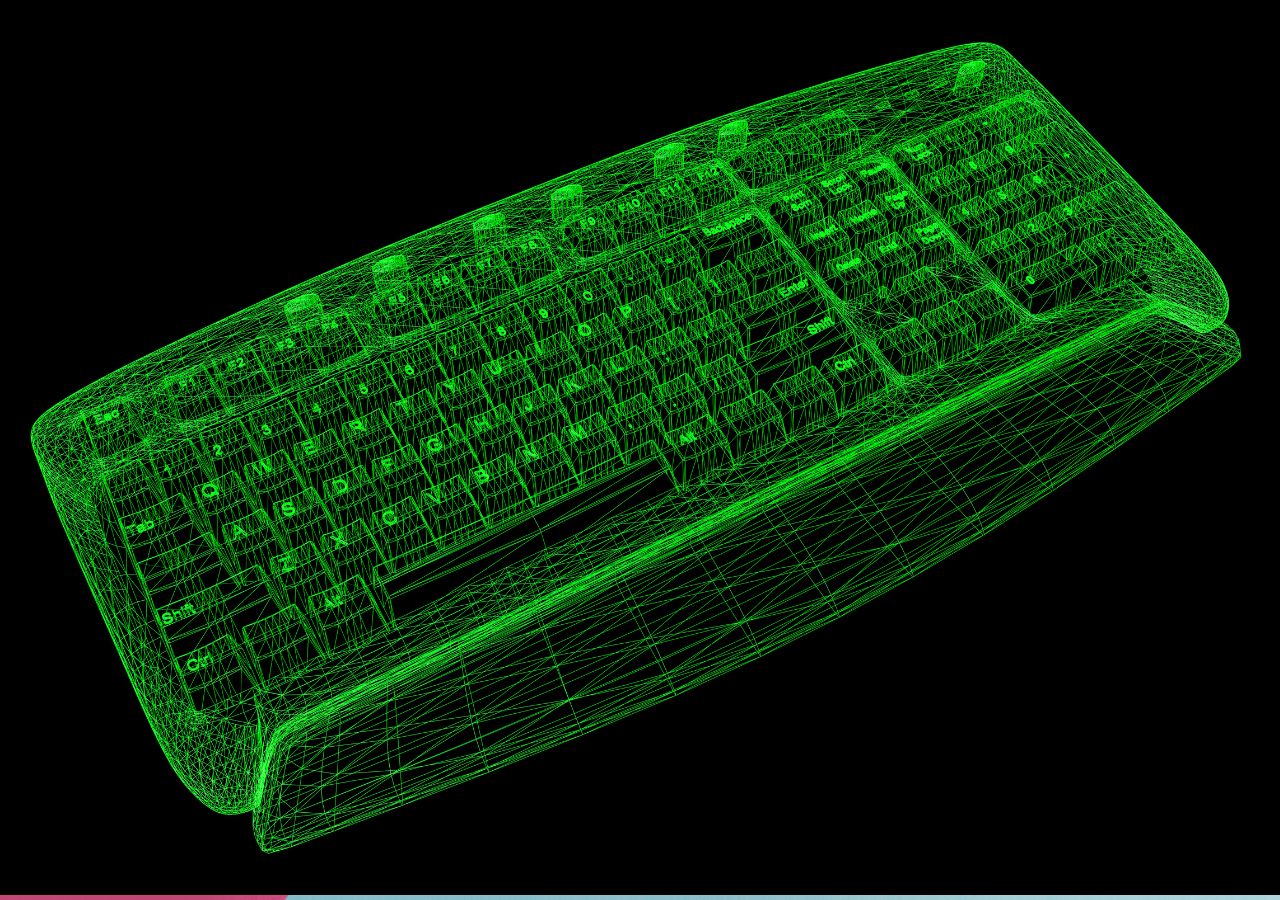
Have you ever stopped to think about the science behind the design and layout of your keyboard? While it may seem like a simple tool, keyboards have been meticulously designed to be both functional and ergonomic. In this article, we will explore the science behind keyboard design and layout to understand how these tools have evolved to meet the needs of users.
When designing a keyboard, ergonomics is one of the most important considerations. An ergonomic keyboard is one that is designed to reduce the risk of strain or injury to the hands, wrists, and fingers. This is particularly important for people who spend a lot of time typing, such as writers, programmers, and office workers.
One of the main principles of ergonomic keyboard design is to reduce the amount of movement required by the hands and fingers. For example, a keyboard with a split design or a curved layout can reduce strain on the wrists by allowing them to remain in a more natural position. Additionally, the keys on an ergonomic keyboard are often arranged in a way that makes them easier to reach and reduces the need for the fingers to stretch.
The key switches on a keyboard are the mechanisms that register each key press. There are several different types of key switches available, each with its own unique feel and sound.
One of the most common types of key switches is the rubber dome switch. This type of switch consists of a rubber dome under each key that collapses when the key is pressed. While rubber dome switches are inexpensive and require little force to actuate, they are not as durable or as responsive as other types of switches.
Mechanical key switches, on the other hand, are more durable and provide a more satisfying typing experience. These switches consist of a spring and a metal contact that actuates when the key is pressed. They require more force to actuate than rubber dome switches, but they also provide a more tactile feel and audible click.
The layout of a keyboard is also an important consideration in its design. The most common keyboard layout is the QWERTY layout, which was designed in the 19th century to prevent typewriter keys from jamming. While the QWERTY layout is still the most widely used layout today, there are other layouts available that can improve typing speed and accuracy.
One alternative to the QWERTY layout is the Dvorak Simplified Keyboard. This layout is designed to reduce finger fatigue and increase typing speed by placing the most commonly used letters in the home row. The Dvorak layout is not as widely used as the QWERTY layout, but some users find that it allows them to type more quickly and with fewer errors.
Another alternative to the QWERTY layout is the Colemak layout. This layout is designed to be easier to learn than the Dvorak layout by retaining many of the same key positions as the QWERTY layout. However, the Colemak layout still places the most commonly used letters in the home row, which can increase typing speed and reduce strain on the fingers.
Many keyboards are designed to allow users to customize the layout and function of the keys. For example, some keyboards have programmable keys that can be set up to perform specific functions or macros. This can save time and increase productivity by reducing the need to switch between different applications or menus.
Some keyboards also allow users to customize the backlighting of the keys. This can be particularly useful for people who work in dimly lit environments or who prefer to work at night. By adjusting the backlighting, users can make it easier to see the keys and improve typing accuracy.
The materials used in a keyboard's construction can also impact its performance and longevity. Most keyboards are made from plastic, which is durable and inexpensive. However, high-end keyboards may use more durable materials like metal or wood to provide a more premium look and feel.
One key consideration when it comes to materials is the keyboard's weight. A heavier keyboard can be more stable and less likely to move around on the desk during use. This can be particularly important for gamers or other users who require precise control over their keyboard.
As technology continues to evolve, keyboard design is also likely to change. One potential development is the integration of touch screens into keyboards. This could allow users to access menus, applications, and other features directly from the keyboard, without the need for a separate screen.
Another potential development is the use of haptic feedback. Haptic feedback provides physical feedback to the user in the form of vibration or other sensations. This can make typing more intuitive and help reduce the risk of errors.
In addition, advancements in voice recognition and artificial intelligence may lead to keyboards that are even more intuitive and user-friendly. For example, a keyboard could use voice recognition to adapt to the user's specific speaking style, making typing more accurate and efficient.
The science behind keyboard design and layout is complex and multifaceted. From ergonomics to key switches, keyboard layouts, customization options, materials, and potential future developments, there are many factors that go into creating a functional and effective keyboard.
Whether you are a professional writer, gamer, or office worker, choosing the right keyboard for your needs is essential for maximizing productivity and comfort. By understanding the science behind keyboard design and layout, you can make an informed decision and find a keyboard that will meet your specific needs and preferences.
In conclusion, while the evolution of keyboard design may not always be obvious, it is a crucial component of modern technology. From the materials used to the ergonomics of the design, every element is carefully considered to provide the best possible experience for users. By staying up-to-date with new developments and advancements, users can ensure that they are always using the most effective and efficient keyboard available.
